
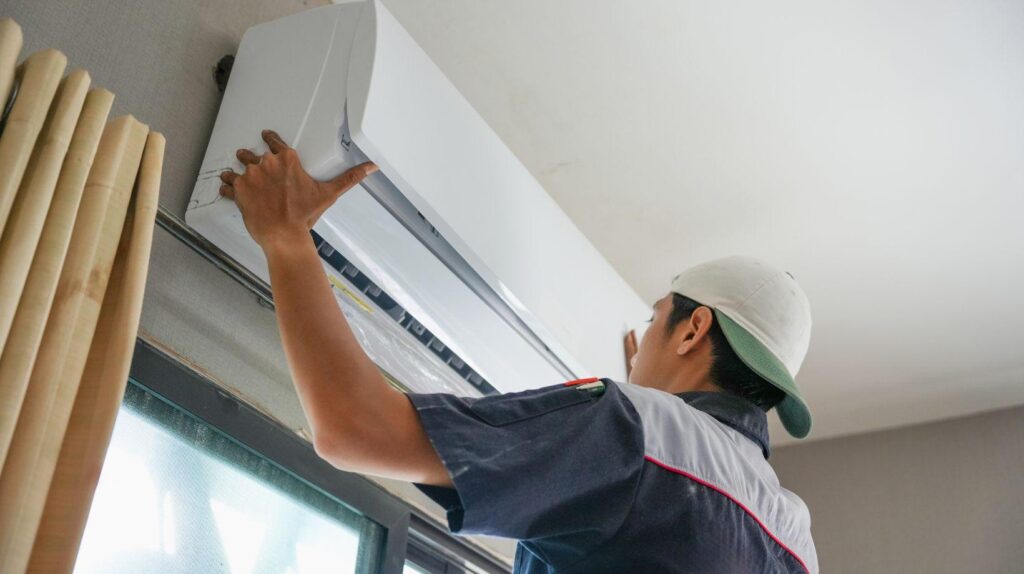
When the temperature climbs, a working air conditioning system stops being a luxury and starts feeling like a necessity. It's understandable that some homeowners consider handling the installation themselves to save on costs, but air conditioning systems involve more than just mounting a unit — they involve electrical work that carries real risk if not done correctly, along with mechanical and refrigerant considerations that go beyond what most DIY guides cover.
The Electrical Side Is More Involved Than It Looks
Air conditioning units draw a significant amount of power, often requiring a dedicated circuit separate from the rest of the home's electrical load. Wiring this incorrectly can lead to tripped breakers at best, or overheating and fire risk at worst. This is one of the main reasons installation isn't a simple plug-and-play job, even for units marketed as straightforward to set up.
Beyond the circuit itself, proper installation also involves correctly sizing the wiring and breaker to match the unit's specific power draw. Undersized components can overheat under sustained load, which is exactly the kind of issue that tends to surface on the hottest days, when the system is working hardest and a failure is most inconvenient.
Sizing and Placement Affect More Than Comfort
An improperly sized unit doesn't just cool your home less effectively — it can also strain the electrical system by cycling on and off more frequently than it should. Getting the sizing right, along with proper placement for airflow and drainage, is something that benefits from professional assessment rather than guesswork. A unit that's too large for the space can also lead to inefficient humidity control, leaving rooms feeling clammy despite the lower temperature.
Permits and Code Compliance
Depending on where you live, installing a new air conditioning system may require permits and inspections, particularly when new electrical circuits are involved. Skipping this step can create issues later, whether that's during a home sale or if an insurance claim ever needs to reference the installation. Working with a licensed professional generally means this paperwork is handled as part of the process, rather than something you need to navigate separately.
Warranty Considerations
Many manufacturers require professional installation to keep the unit's warranty valid. A DIY install, even a careful one, can sometimes void that protection, leaving you responsible for the full cost of any future repairs that would otherwise have been covered. This is a detail that's easy to overlook in the moment but can prove costly years down the line.
Long-Term Reliability
A properly installed system tends to run more efficiently and last longer. Loose connections, incorrect refrigerant handling, or undersized wiring can all shorten a unit's lifespan considerably, turning what should be a decade-plus investment into a much shorter one.
Bringing in a licensed air conditioning electrician for installation isn't just about following the rules — it's about protecting your investment and your home. The upfront cost of professional installation is almost always smaller than the cost of fixing problems that come from cutting corners, especially once you factor in the risk to both safety and warranty coverage.
Refrigerant Handling Requires Certification
Beyond the electrical component, most air conditioning installations involve handling refrigerant, which is regulated in many places due to its environmental impact. Improper handling can lead to leaks that harm both the system's performance and the surrounding environment. Licensed technicians are trained and certified to manage this safely, something that's difficult to replicate with a DIY approach.
Getting a Second Opinion Is Reasonable
For a job this significant, it's entirely reasonable to get quotes and assessments from more than one licensed provider before committing. Different specialists may suggest slightly different unit sizes or placements based on their read of your home, and comparing those perspectives can help you make a more informed final decision.
The Value of Ongoing Support
Choosing a specialist for installation also sets you up for easier maintenance down the line. A provider who understands your specific setup from day one is often better positioned to handle future servicing efficiently, rather than starting from scratch trying to understand a system they've never seen before.
Weigh the Real Cost of a Shortcut
It can be tempting to view professional installation as an added expense rather than a necessary one, especially when a unit seems simple enough to mount yourself. But when you weigh that upfront saving against the potential cost of a fire hazard, a voided warranty, or a system that fails within its first year, the math rarely favors the shortcut. A properly installed system, backed by a specialist who stands behind their work, is one less thing to worry about once summer temperatures set in.